
Digital Marketing
Boost Your Online Presence With Digital Marketing
Digital marketing encompasses a broad range of strategies and tactics aimed at promoting products, services, or brands using digital technologies and channels. It leverages the internet, mobile devices, social media, search engines, email, and other digital platforms to reach and engage with current and potential customers.
Here’s a detailed exploration of key components and strategies within digital marketing:
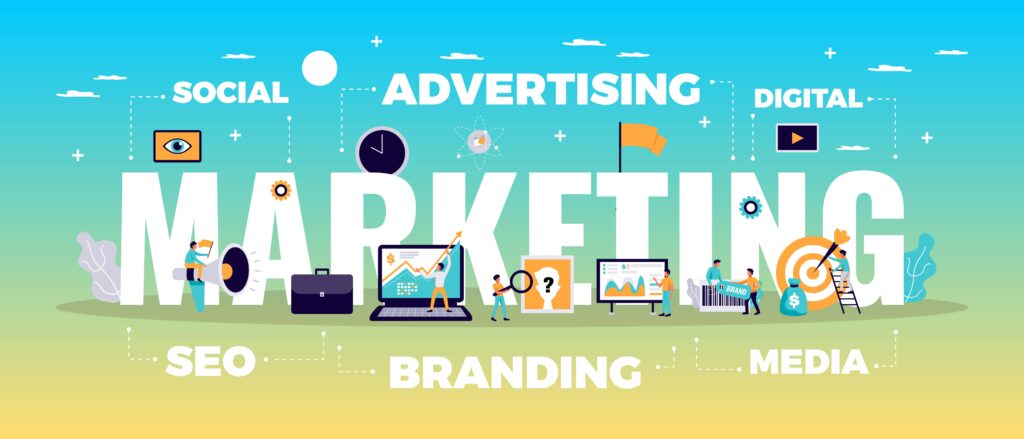
Key Components of Digital Marketing
1. Search Engine Optimization (SEO):
- Definition: SEO involves optimizing websites and content to improve their visibility in organic (non-paid) search engine results.
- Key Elements: Keyword research, on-page optimization (meta tags, content, etc.), off-page optimization (backlinks), and technical SEO (site structure, mobile-friendliness, etc.).
- Goal: Increase organic traffic and improve search engine rankings.
2. Search Engine Marketing (SEM):
- Definition: SEM involves using paid advertising to appear in search engine results pages (SERPs) through platforms like Google Ads or Bing Ads.
- Key Elements: Keyword bidding, ad copy creation, landing page optimization, and budget management.
- Goal: Drive targeted traffic to websites and generate leads or sales.
3. Social Media Marketing (SMM):
- Definition: SMM involves leveraging social media platforms to connect with audiences, build brand awareness, and drive engagement.
- Key Platforms: Facebook, Instagram, Twitter, LinkedIn, TikTok, etc.
- Key Strategies: Content creation, community management, paid advertising, influencer partnerships.
- Goal: Build a loyal following, drive website traffic, and increase conversions.
4. Content Marketing:
- Definition: Content marketing focuses on creating and distributing valuable, relevant, and consistent content to attract and retain a target audience.
- Forms: Blogs, articles, videos, infographics, eBooks, podcasts, etc.
- Key Strategies: Content strategy development, content creation, distribution, and promotion.
- Goal: Educate, inform, entertain, and ultimately drive profitable customer action.
5. Email Marketing:
- Definition: Email marketing involves sending personalized messages and promotional content to a targeted audience via email.
- Key Elements: Email list segmentation, automation (drip campaigns, autoresponders), A/B testing, and analytics.
- Goal: Nurture leads, build relationships, drive sales, and increase customer retention.
6. Influencer Marketing:
- Definition: Influencer marketing involves partnering with influential individuals or brands to promote products or services to their followers.
- Key Strategies: Identify relevant influencers, establish partnerships, create authentic campaigns, and measure ROI.
- Goal: Leverage influencers’ credibility and reach to increase brand awareness and trust.
7. Digital Advertising:
- Definition: Digital advertising includes various forms of online paid advertising, such as display ads, video ads, native ads, and re-targeting campaigns.
- Key Platforms: Google Display Network, social media advertising platforms (Facebook Ads, LinkedIn Ads), programmatic advertising.
- Goal: Increase brand visibility, drive traffic, and generate leads or sales.
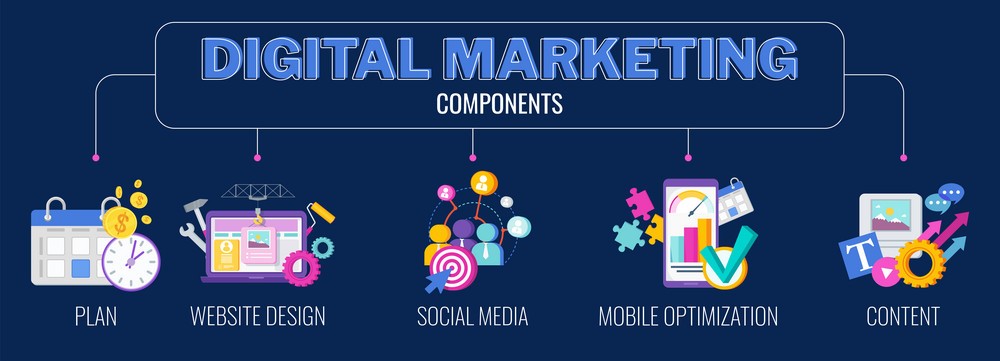
Digital Marketing
Advantages and Challenges of Digital Marketing
Advantages
- Targeting: Precisely target specific demographics, interests, and behaviors.
- Measurability: Track and measure campaign performance in real-time with analytics tools.
- Reach: Access a global audience, including niche markets, through digital channels.
- Cost-effectiveness: Often provides a higher return on investment (ROI) compared to traditional marketing methods.
- Flexibility: Quickly adapt and optimize campaigns based on real-time data and insights.
Challenges
- Digital Noise: Stand out amidst the volume of digital content and ads.
- Platform Changes: Stay updated with algorithms, policies, and trends of digital platforms.
- Data Privacy: Ensure compliance with data protection regulations (e.g., GDPR, CCPA).
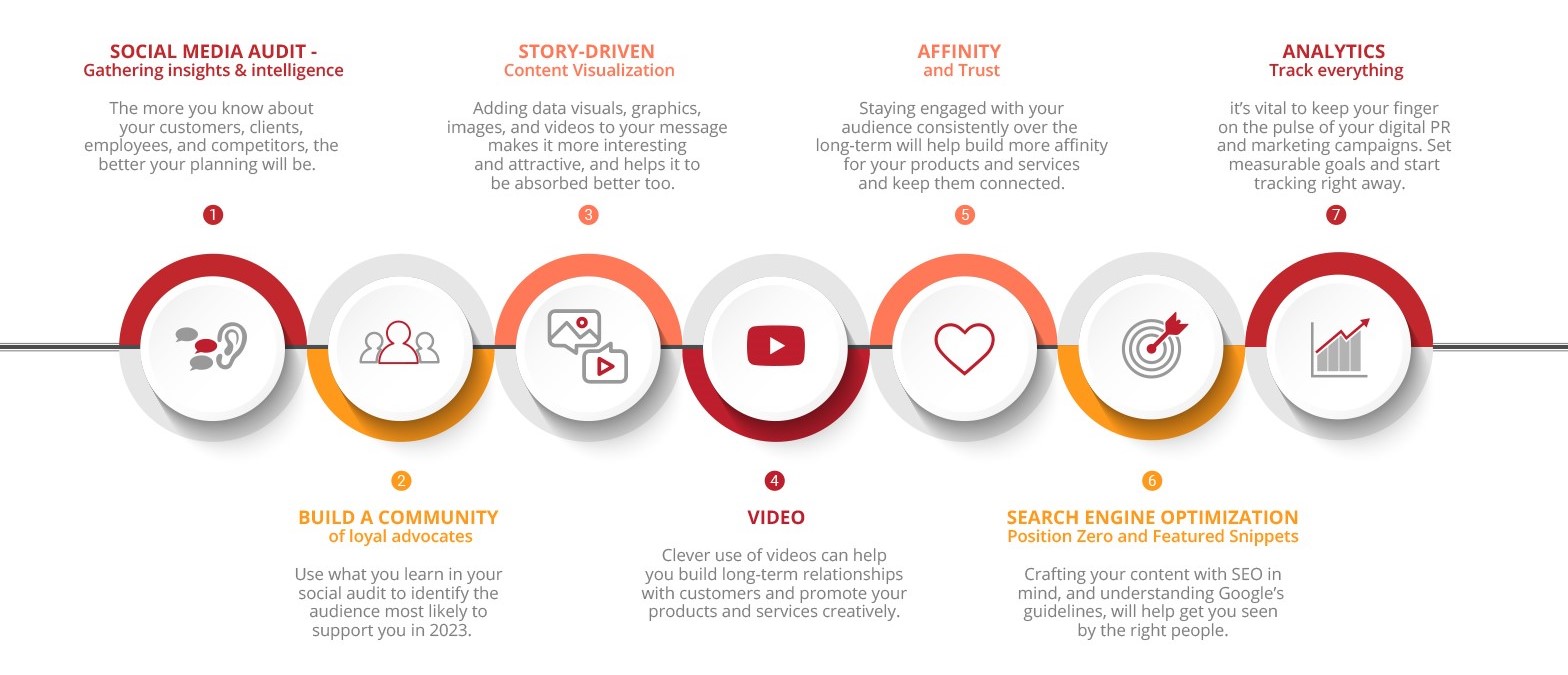
Integrating Digital Marketing Strategies
Successful digital marketing strategies often integrate multiple channels and tactics to create a cohesive and effective approach.
In conclusion, digital marketing is essential for businesses aiming to connect with their target audience, increase brand visibility, and drive conversions in today's digital landscape. By leveraging various digital channels and strategies effectively, businesses can achieve their marketing goals efficiently and competitively.