
Cyber Security
Cyber Security Services & Solutions for Better Security
Cyber Security encompasses the protection of computer systems, networks, and data from unauthorized access, cyber-attacks, and damage or disruption of services. It involves various technologies, processes, and practices designed to safeguard information and ensure confidentiality, integrity, and availability of digital assets.
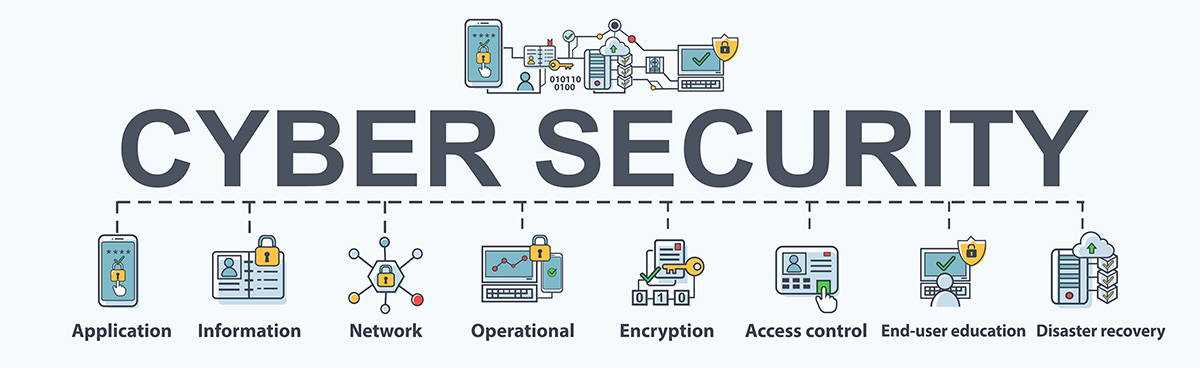
Key Concepts in Cyber Security
1. Confidentiality
Ensuring that data is accessible only to authorized individuals, processes, or systems, preventing unauthorized access or disclosure of sensitive information.
2. Integrity
Maintaining the accuracy and completeness of data throughout its life-cycle, ensuring that data is not altered or tampered with by unauthorized entities.
3. Availability
Ensuring that information and resources are accessible and usable by authorized users whenever needed, preventing disruption or denial of service.
4. Authentication
Verifying the identity of users or systems attempting to access resources, typically through passwords, bio-metrics, or multi-factor authentication (MFA).
5. Authorization
Granting appropriate permissions to authenticated users or systems based on their identity and roles, ensuring access is limited to necessary resources.
6. Encryption
Converting data into an unreadable format using cryptographic techniques, ensuring that only authorized parties can de-crypt and access sensitive information.
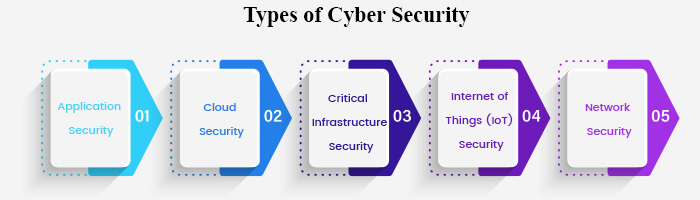
Cyber Security Services & Technologies
Threat Landscape in Cyber Security
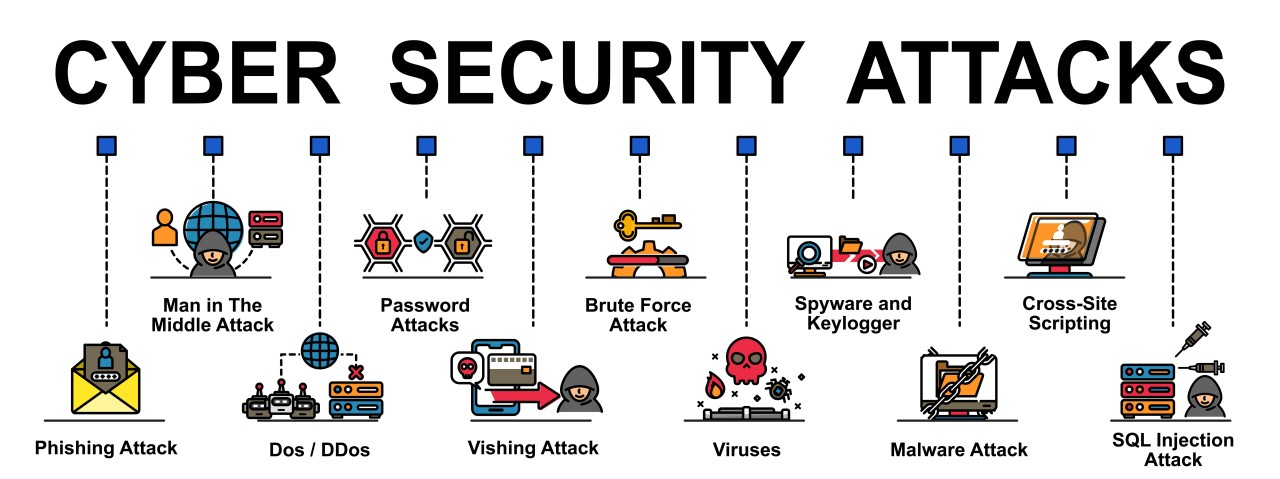
Cyber Security faces a diverse range of threats, including:
- Malware: Malicious software designed to infiltrate or damage computers and systems, including viruses, worms, ransomware, and spyware.
- Phishing and Social Engineering: Deceptive techniques used to manipulate individuals into revealing sensitive information or performing actions that compromise security.
- Denial-of-Service (DoS) Attacks: Overloading systems, networks, or services with traffic to disrupt availability and deny access to legitimate users.
- Data Breaches: Unauthorized access or disclosure of sensitive information, often resulting in financial loss, reputational damage, and regulatory penalties.
- Insider Threats: Malicious or unintentional actions by individuals within an organization, such as employees or contractors, compromising security.
Cybersecurity Measures and Best Practices
1. Network Security
Implementing firewalls, intrusion detection/prevention systems (IDS/IPS), and secure network protocols (e.g., VPNs) to protect against unauthorized access and malicious activities.
2. Endpoint Security
Securing devices (e.g., computers, smartphones, IoT devices) with antivirus software, endpoint detection and response (EDR), and device encryption to prevent malware infections and unauthorized access.
3. Identity and Access Management (IAM)
Implementing strong authentication mechanisms, least privilege access policies, and centralized IAM solutions to manage user identities and control access to resources.
4. Data Protection
Encrypting sensitive data both at rest (stored data) and in transit (data being transmitted) to protect against unauthorized access and data breaches.
5. Incident Response & Disaster Recovery
Developing and testing incident response plans to quickly detect, respond to, and recover from cyber-security incidents, minimizing potential damage and downtime.
6. Security Awareness and Training
Educating employees and users about cyber security risks, best practices, and how to recognize and respond to threats like phishing and social engineering attacks.
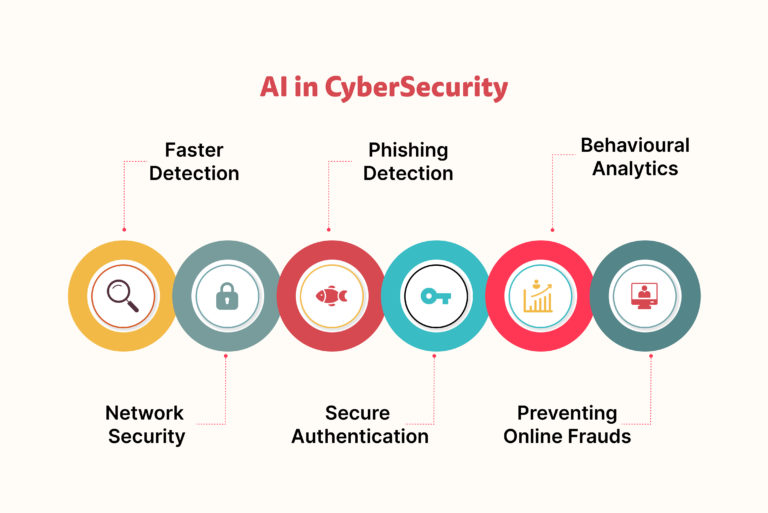
Emerging Trends in Cyber Security
AI and Machine Learning: Leveraging AI/ML for threat detection, anomaly detection, and behavior analysis to enhance cyber security defenses.
Zero Trust Security: Adopting a security model that verifies every request as though it originates from an open network, enhancing security posture in increasingly complex IT environments.
Cloud Security: Implementing robust security measures and controls to protect data and applications hosted in cloud environments, addressing unique challenges of shared responsibility and multi-tenancy.
IoT Security: Securing the rapidly expanding ecosystem of connected devices and IoT networks to prevent vulnerabilities and potential exploitation.
In summary, cyber security is critical in protecting organizations, individuals, and nations from cyber threats. It requires a proactive approach, continuous monitoring, and adaptation to evolving threats and technologies to maintain resilience and mitigate risks effectively.